
Top 5 New Sandbox Games for Unlimited Creative Freedom
I've always been drawn to games that let you roam free, so sandbox experiences are where I feel most at ease. There's something uniquely satisfying about dropping into a virtual world where you set the tempo, make the rules, and let your imagination run wild. Over the last year I sampled plenty of new sandbox titles on both mobile and PC, and it was a blast. Here are my top five recent sandbox games that amazed me with how much creative freedom they give you.
- Minecraft
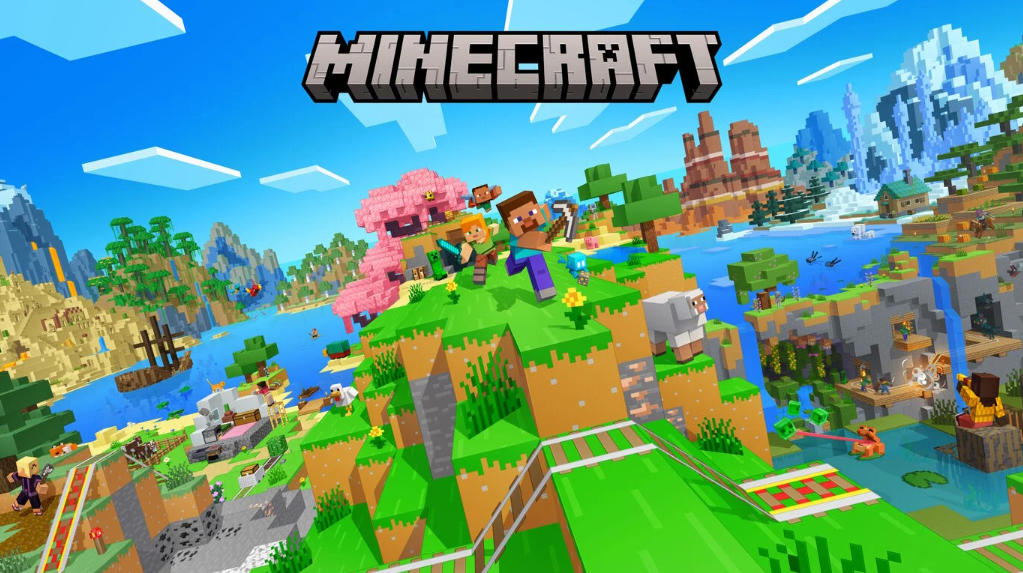
In Minecraft, the gameplay revolves around a world made entirely of 3D blocks representing materials like dirt, stone, and ores. In Survival Mode, players must manage hunger and health while gathering natural resources to craft tools and armor. The core loop involves mining deep underground for rare materials and using them to build elaborate bases to survive the nocturnal monsters that roam the world.
Conversely, Creative Mode removes all survival constraints, granting players infinite resources and the ability to fly. This transforms the game into a digital architecture suite where users can construct anything from functional computers using "Redstone" logic circuits to 1:1 scale replicas of entire cities. The game is highly modular, supporting massive multiplayer servers and community-made "mods" that can change the game into a role-playing epic or a high-tech factory simulator.
- Roblox
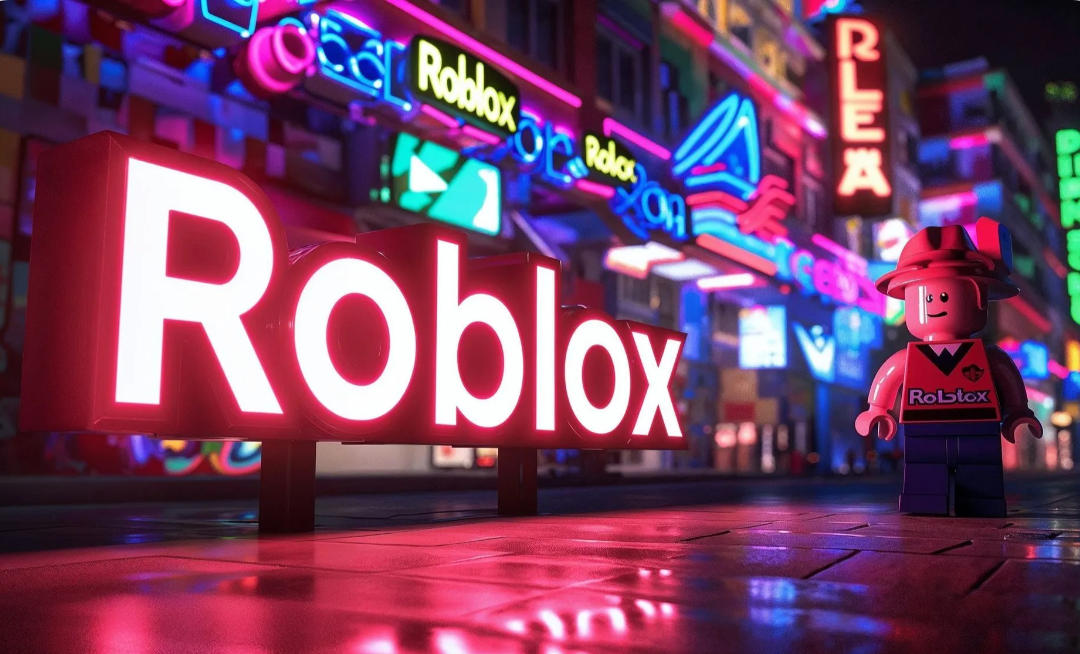
Roblox acts more as a massive social ecosystem and game creation engine than a single standalone title. Players use highly customizable avatars to travel between millions of user-generated experiences, ranging from "Tycoon" simulators and obstacle courses (Obbys) to complex competitive shooters. The core gameplay is inherently social, emphasizing real-time interaction, trading virtual items, and cooperative play across an endless variety of genres.
For creators, the platform provides Roblox Studio, a powerful development tool that uses the Luau programming language. This allows users to build their own games, script unique physics, and even monetize their creations through a virtual economy. In 2026, the introduction of AI-driven "4D Creation" tools has made it possible for players to generate functional in-game objects and environments simply by using natural language prompts, further lowering the barrier to creation.
- Grand Theft Auto VI (GTA 6)
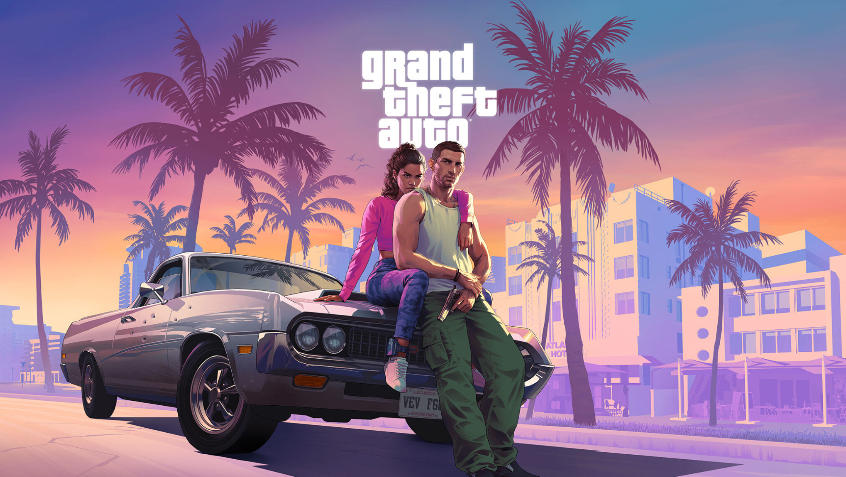
Set in the sprawling, neon-soaked state of Leonida, GTA VI offers a hyper-realistic "crime sandbox" centered on the dual-protagonist narrative of Lucia and Jason. The gameplay features a sophisticated reactive world where every NPC (Non-Player Character) has a unique schedule and memory, and the environment is highly interactive. Players can engage in high-stakes heists, street racing, or complex underground trades, all while navigating a world that responds dynamically to their criminal reputation.
Beyond the structured missions, the game functions as a deep life simulator. Players can explore vast wilderness areas, participate in a fully realized social media ecosystem within the game, and enter almost any building on the map. The multiplayer component, GTA Online, expands this into a persistent sandbox where players can build criminal empires, manage legitimate businesses, and engage in a constantly evolving series of community events and competitive modes.
- No Man’s Sky
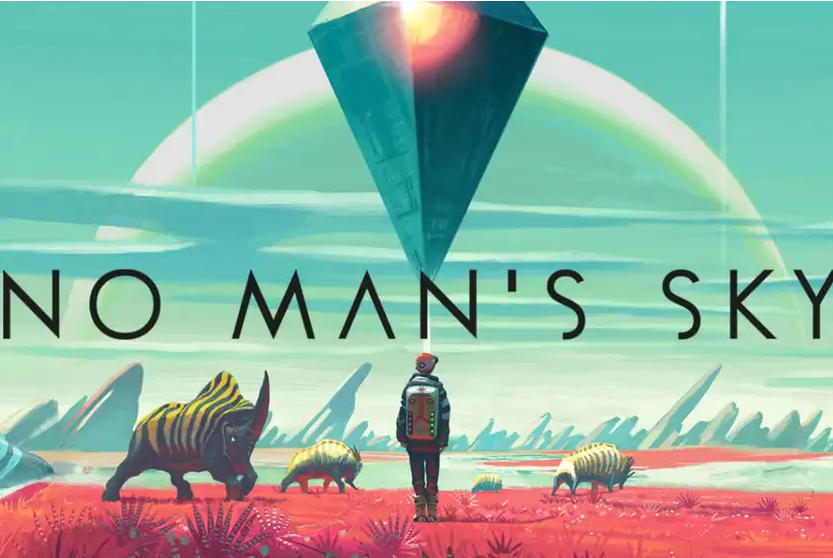
No Man's Sky is built on a foundation of procedural generation, creating a functionally infinite universe of over 18 quintillion unique planets. Gameplay is a seamless loop of exploration, survival, and combat: players pilot starships from the surface of a planet directly into deep space without any loading screens. Each planet features its own distinct flora, fauna, and atmospheric hazards, requiring players to constantly upgrade their "Exosuit" and "Multi-tool" to survive increasingly hostile environments.
The game also features a deep base-building and fleet management system. Players can claim territory on any planet to build complex outposts, or command a massive "Freighter" and a fleet of frigates to conduct interstellar trade and combat missions. By 2026, the game has integrated advanced ecological simulations, allowing players to track animal migrations, discover ancient civilizations through archeology, and collaborate with others in a shared galactic hub known as the Space Anomaly.
- Terraria
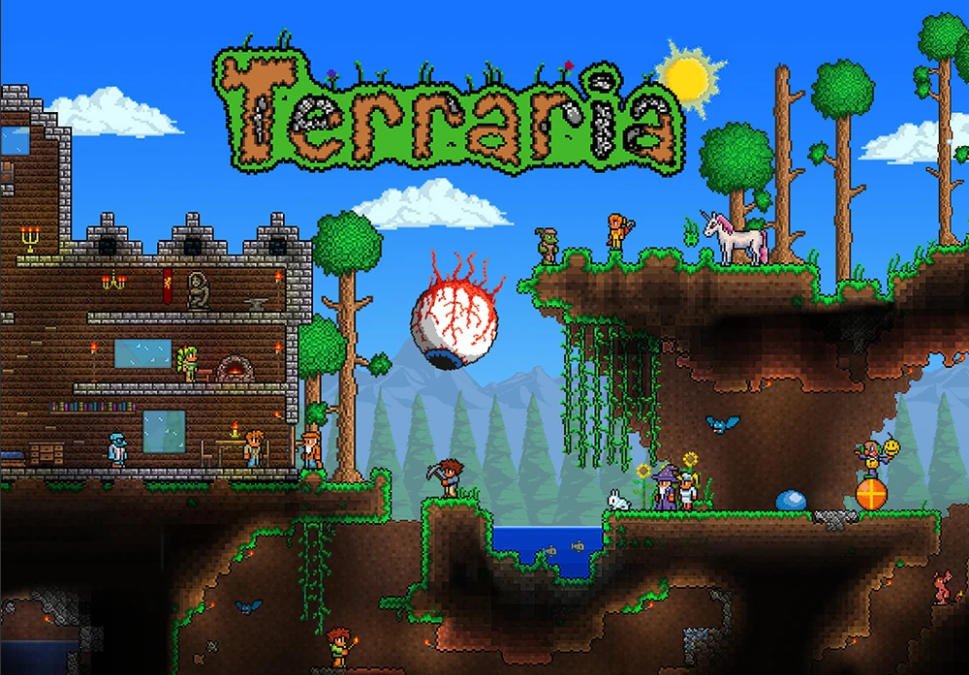
Terraria is a 2D action-adventure sandbox that blends traditional platforming with deep RPG-style progression. The gameplay is focused on exploration and combat, where players dig through procedurally generated underground biomes to find treasure and ores. Unlike 3D sandboxes, Terraria uses a "Boss-centric" progression system; defeating massive, screen-filling bosses unlocks new materials and triggers world-altering events (like the transition to "Hardmode"), which introduces tougher enemies and new magical abilities.
The construction and NPC system is another pillar of the game. As players build suitable housing, various NPCs (such as the Merchant, Nurse, or Wizard) will move in, providing essential services, items, and lore. Players can use thousands of different items to craft specialized "builds"—such as a magic-user, a ranged ranger, or a melee warrior—while also terraforming the 2D world with mechanical traps, teleportation networks, and elaborate themed mansions.
