
Top 5 Puzzle Games to Test Your IQ in 2026
As a puzzle enthusiast who has spent thousands of hours staring at grids, moving portals, and feeling both like a genius and a complete idiot, I've realized that some games are more than just "fun"—they are brutal reflections of your cognitive limits.If you're looking to genuinely test your IQ through gameplay in 2026, here are my top 5 picks from a gamer's perspective
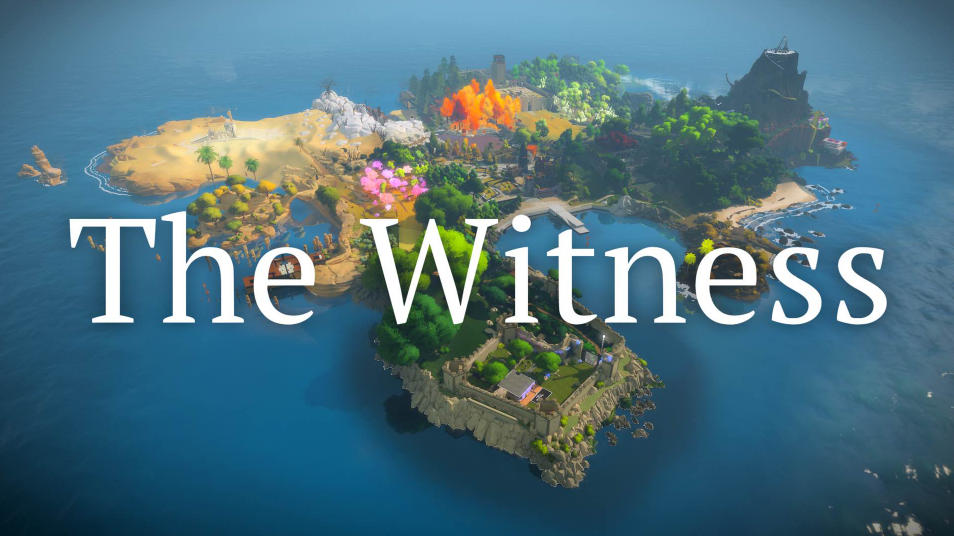
- The Witness
In Minecraft, the gameplay revolves around a world made entirely of 3D blocks representing materials like dirt, stone, and ores. In Survival Mode, players must manage hunger and health while gathering natural resources to craft tools and armor. The core loop involves mining deep underground for rare materials and using them to build elaborate bases to survive the nocturnal monsters that roam the world.
Conversely, Creative Mode removes all survival constraints, granting players infinite resources and the ability to fly. This transforms the game into a digital architecture suite where users can construct anything from functional computers using "Redstone" logic circuits to 1:1 scale replicas of entire cities. The game is highly modular, supporting massive multiplayer servers and community-made "mods" that can change the game into a role-playing epic or a high-tech factory simulator.
- Baba Is You: Breaking Logical Boundaries
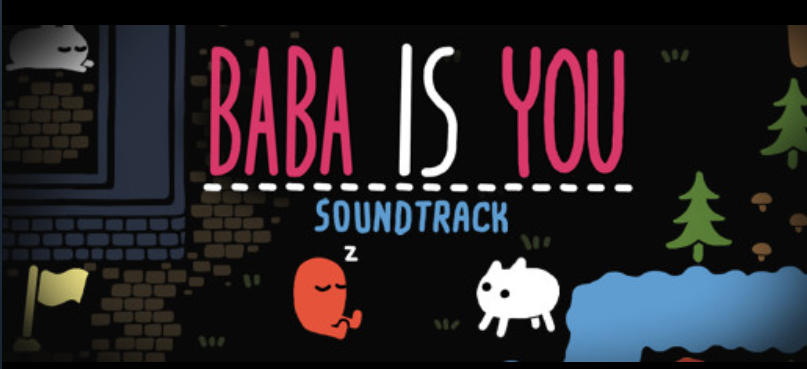
If most games ask you to play within the rules, Baba Is You asks you to rewrite them. The gameplay involves pushing blocks of words around to change how the game works—for example, pushing the blocks to read "Wall Is Pass" allows you to walk through walls. It is a grueling test of verbal and symbolic logic, forcing you to detach your mind from what things look like and focus entirely on the abstract rules that govern them.
Playing this feels like your brain is being rewired in real-time. I've found that the puzzles often require "lateral thinking" that standard IQ tests struggle to measure. You'll reach a point where you think a level is impossible, only to realize the solution was right in front of you—you just had to stop thinking like a human and start thinking like a programmer. It's a humbling, high-IQ experience that rewards the truly creative logician.
- Portal 2: Spatial Reasoning in 3D
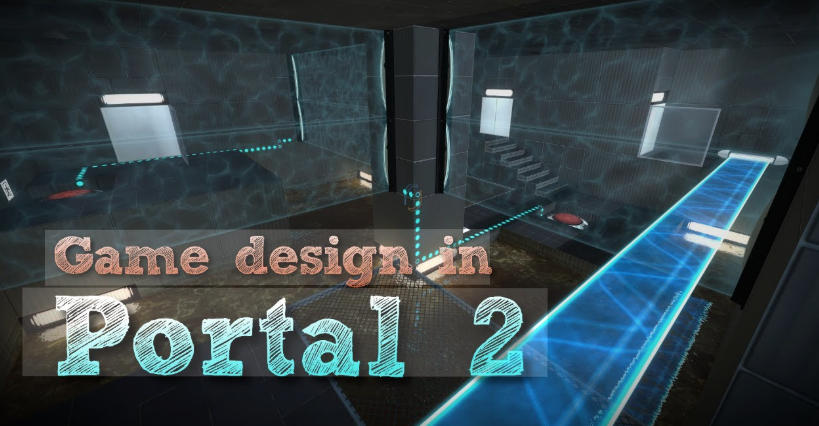
While it's a classic, Portal 2 remains a scientific gold standard for testing spatial intelligence. A 2025 study even suggested it's more effective at boosting cognitive skills than dedicated "brain-training" apps. The gameplay requires you to visualize 3D space and "momentum conservation" in a way that few other games can match. You aren't just solving puzzles; you are mentally rotating 3D environments and predicting trajectories through portals.
As a gamer, I love how the difficulty curve is perfectly tuned. The puzzles start simple, but by the end, you're performing "mental gymnastics" to figure out how to bridge gaps using light bridges, gels, and portals. It's a comprehensive test of your brain's ability to manipulate physical objects in a virtual space, making it the perfect benchmark for engineers and architects.
- Elevate - Brain Training
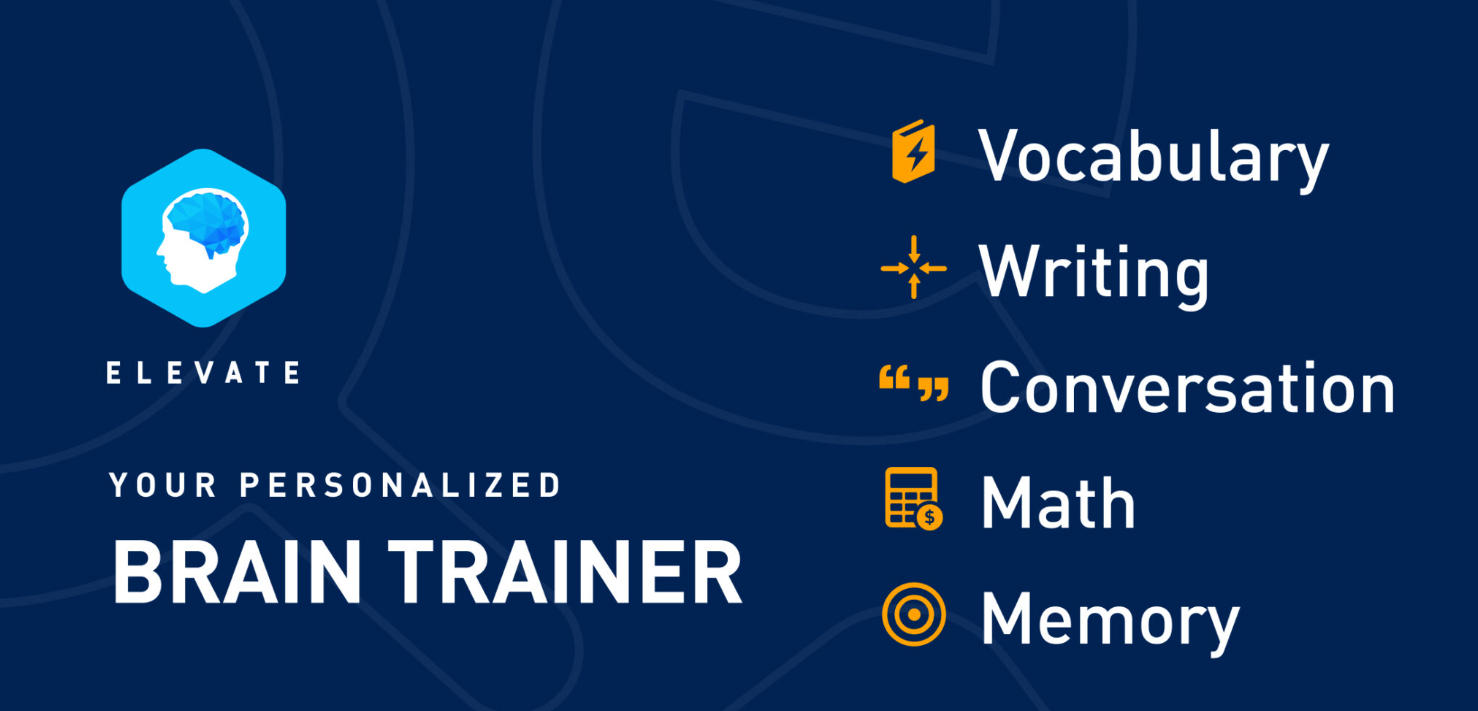
Unlike the abstract puzzles above, Elevate is designed to test your "crystallized intelligence"—your ability to use learned knowledge effectively. It features fast-paced mini-games that focus on processing speed, mental math, and linguistic precision. In my daily sessions, I've found that it doesn't just measure how much you know, but how quickly and accurately your brain can retrieve and use that information under intense time pressure.
What makes Elevate stand out for me is the "Elevate Proficiency Quotient" (EPQ). It gives you a breakdown of your performance compared to others in your age group across different categories like "Focus" and "Brevity." It feels less like a game and more like a competitive cognitive gym. If you want to know how your brain handles "real-world" intellectual tasks like rapid editing or complex mental arithmetic, this is the app to beat.
- Patrick's Parabox: Recursive Thinking
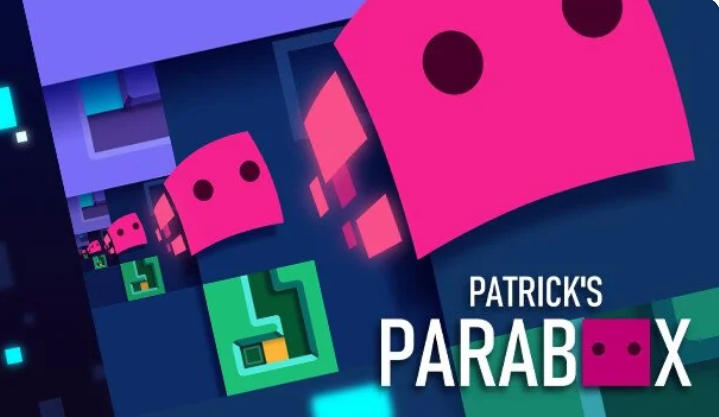
Patrick's Parabox is a mind-bending puzzle game about boxes within boxes within boxes. It explores the concept of recursion and infinity. The gameplay involves pushing boxes into other boxes, only to find yourself entering the very box you were just pushing. It tests your working memory and your ability to keep track of multiple nested layers of reality at once.
Reviewing this as a player, I'd say it's the most "head-hurting" game on this list. It requires a specific kind of mental flexibility to understand that "up" in one box might be "down" in another. It challenges your brain to build complex mental models of space that don't exist in our 3D world. If you can beat the later levels without a guide, your abstract reasoning skills are undoubtedly in the top percentile.
